Ethereal Seas at the Foot of the White Cliffs

Today we journey into long-exposure waves against white cliffs, slowing water into mist while honoring the chalk’s luminous character and formidable presence. Expect practical methods, field safety, creative choices, heartfelt stories, and honest gear talk, inviting you to experiment, share questions, and return with photographs that breathe salt, patience, and quiet wonder.

Foundations for Soft Water and Solid Stone

Before the shutter opens for seconds or minutes, clarity of intent matters. Decide whether you want silky veils, streaked ribbons, or barely softened texture. Study tidal timing, swell direction, and cliff orientation. Embrace patience, steady technique, and thoughtful metering to preserve bright chalk detail while letting the sea surrender its hurried heartbeat.

Shutter Speed Alchemy

Different intervals shape different moods. Half a second carves gentle threads of foam; ten seconds drape the shore in fog; three minutes dissolve everything into breath and suggestion. Test sequences methodically, bracket exposures, and note how the rhythm of each wave cycle sculpts motion so your final frame feels intentional, not accidental.

Neutral-Density Filters Without Regret

Dense glass extends time, yet adds complexity. Choose high-quality ND filters with minimal color cast, keep threads clean, and avoid stacking that vignettes against wide cliffs. Calculate exposure precisely, guard against light leaks, and cross-check histograms. The goal is not darkness for its own sake, but controlled duration that unlocks eloquent water behavior.

Tripod Discipline on Uneven Shores

Pebbles shift, waves buffet, and wind sneaks into every joint. Splay legs low, seat feet firmly between stones, and hang weight without inducing sway. Use a remote or delay, disable stabilization when mounted, and recheck level as the tide steals ground beneath you, securing sharp cliffs against your dreamiest water.

Light, Tide, and Weather Choreography

White cliffs act like grand reflectors, bouncing softness or flaring brutally under harsh sun. Pair the cliff’s orientation with golden or blue hour, consult tide charts, and read cloud texture for diffused glow. Swell period, wind direction, and atmospheric haze together conduct the dance, determining how your long exposure renders mood and memory.

Composing with Chalk Giants

Foreground Tales in Pebbles and Foam
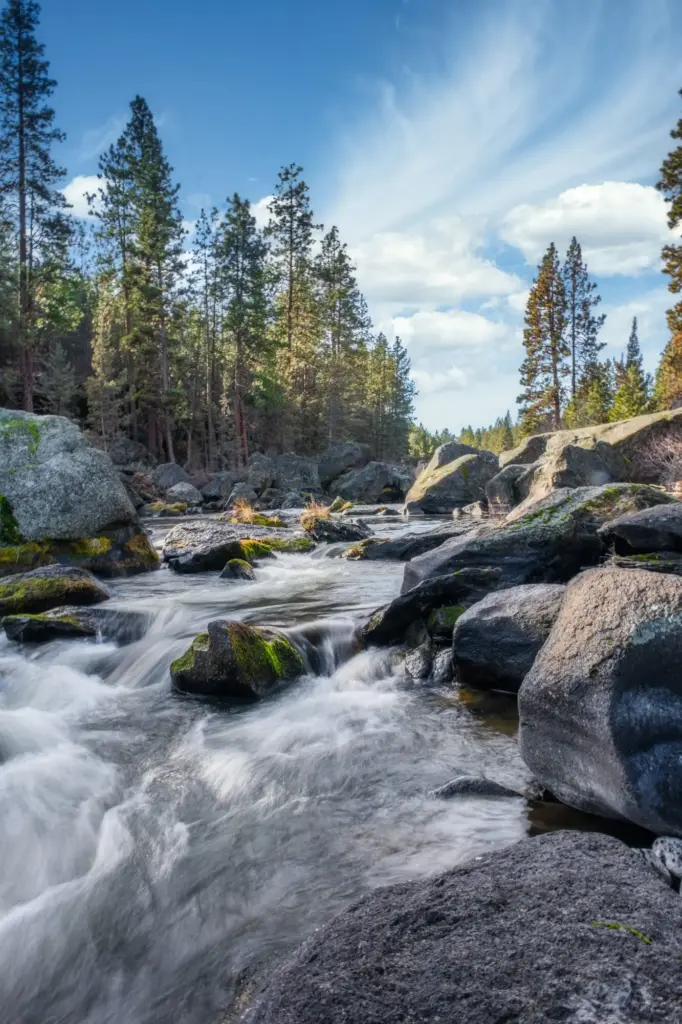
Wet pebbles shimmer like constellations, and retreating foam maps temporary galaxies. Kneel closer, exaggerate perspective with a wide angle, and time your exposure as a wave draws back to reveal texture. Balance this intimacy against towering chalk, creating a bridge that ushers viewers from immediate touch to cliff-borne eternity.

Minimalism with Meaning

Fewer elements can speak louder. Let the cliff edge, a calm horizon, and blanketed water shoulder the narrative. Use careful spacing, clean geometry, and generous breathing room. Reduce color to a restrained palette so form and tone carry emotion. Minimal does not mean empty; it means distilled attention that lingers.

Scale Through Human Echoes

A distant walker, tiny against the chalk, anchors immensity. Keep figures small, avoid posed drama, and let candid movement introduce humility. The viewer senses wind and salt through that quiet presence. Maintain ethical distance and privacy, allowing authenticity to elevate the relationship between landscape grandeur and personal memory.

Safety, Access, and Gentle Footprints

White cliffs crumble without warning, tides trap the unwary, and algae slicks conspire beneath boots. Check recent rockfall notices, understand tide windows, and plan redundant exits. Move slowly, keep gear streamlined, and respect nesting birds. Photographs are best when every decision safeguards life, habitat, and the next visitor’s unspoiled experience.

Reading the Cliff Face

Fresh scars, chalk dust fans, and fractured blocks signal instability. Stay clear of the base, especially after rain or freeze-thaw. Do not linger under overhangs, however photogenic. A wider lens from a safer distance often frames more elegantly anyway, proving prudence and artistry can stand together without compromise or bravado.

Tide Windows and Exit Plans

Tide tables are not suggestions. Study local anomalies, allow generous buffers, and identify high-ground exits before stepping down. Mark turn-around times on your watch, not your hopes. Remember that long exposures erode minutes quickly, and one extra frame can cost the only dry path home. Leave margin for mistakes.

Leave No Trace by the Sea

Avoid crushing fragile plants atop the cliffs, keep distance from nesting ledges, and pack out every scrap. Salt spray travels; clean lenses away from vegetation. Share space kindly with anglers and walkers. Your photograph becomes a better story when the shoreline remains unscarred, welcoming others to witness it with gratitude.

Chalk Without Bleach

Bright chalk begs to clip. Lower exposure slightly, recover highlights, and use local masks to refine edges where sea meets stone. Add subtle texture without crunching. Watch for halos when sharpening, especially against sky. Aim for luminous detail that honors geology rather than plastic brightness that flattens age and dignity.

Sculpting Motion Locally

Long exposures can turn water into undifferentiated fog. Use curves and masks to deepen tonal separation within streaks, guiding the eye along pathways of energy. Small, patient adjustments preserve elegance. Let contrast bloom near anchor stones while keeping the broader field soft, so calm feels earned, not sprayed-on.

Color to Carry Feeling

Cooler blues speak of predawn restraint; gentle ambers recall last light’s kindness. Split-tone shadows and highlights to echo memory, not fashion. Keep saturation measured around chalk to prevent garish rims. Final color should harmonize cliff legacy and ocean breath, inviting contemplation long after the initial glow subsides.

Narrative, Memory, and Audience Connection
Technique matters, yet story endures. Share why you returned to this cove, what the wind said, how the gulls traced your timing. Invite dialogue by revealing choices and doubts. Ask for viewers’ settings, field notes, and coastal tips, building a circle where learning, safety, and art evolve together.
Daxiravolentopiranaritari
Privacy Overview

This website uses cookies so that we can provide you with the best user experience possible. Cookie information is stored in your browser and performs functions such as recognising you when you return to our website and helping our team to understand which sections of the website you find most interesting and useful.