
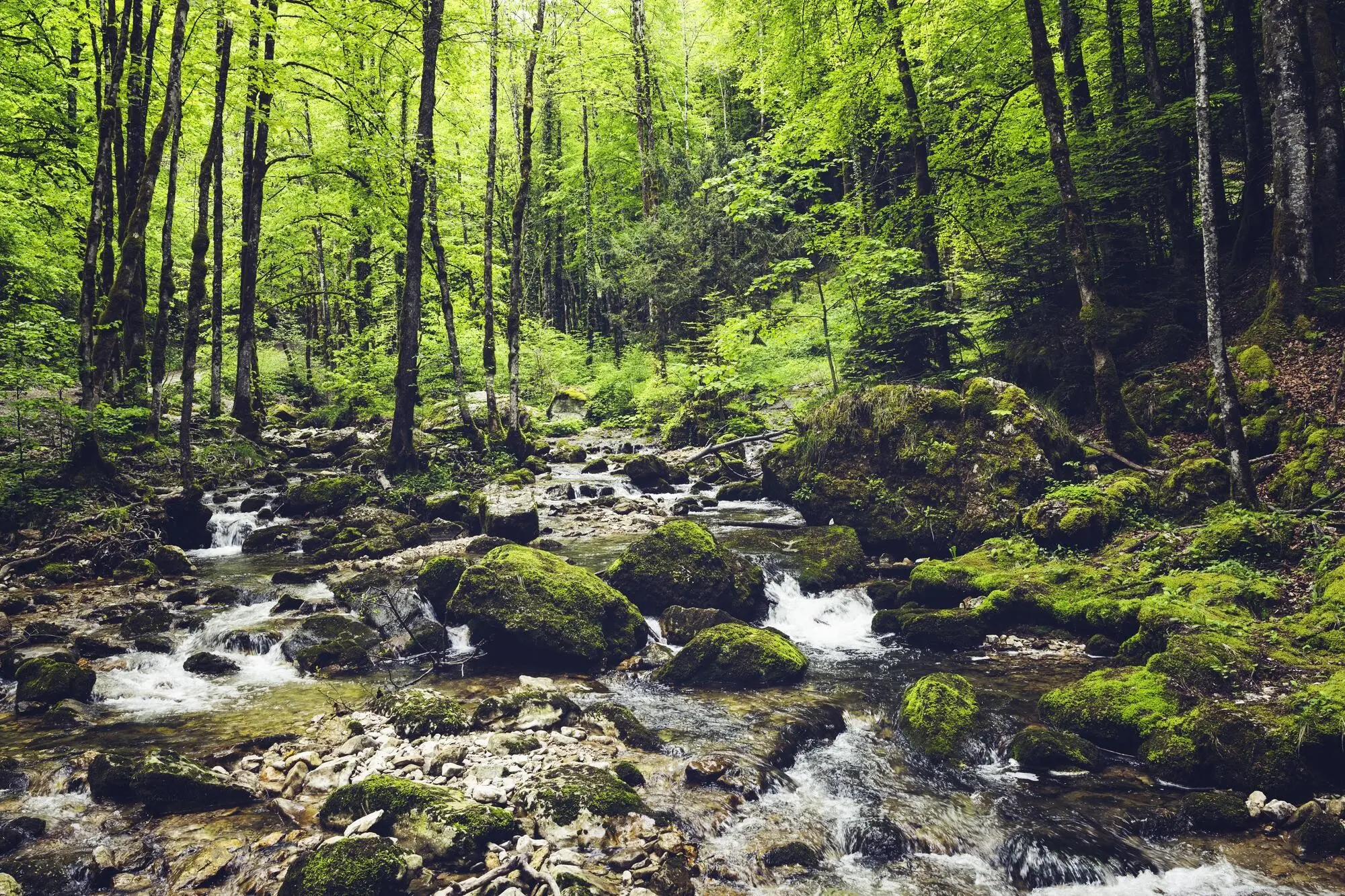


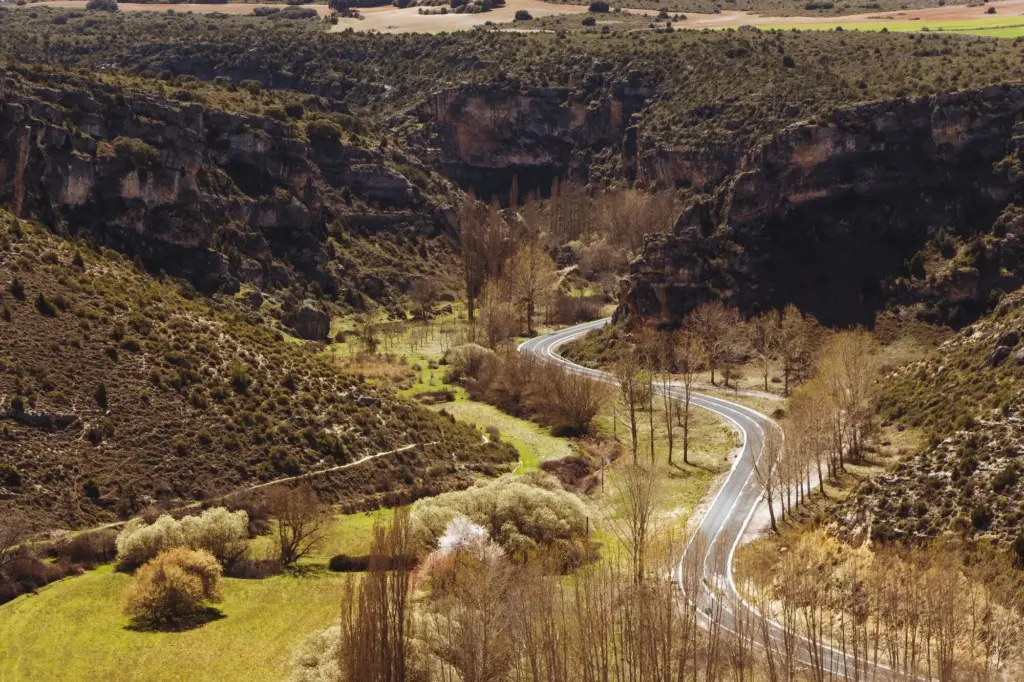

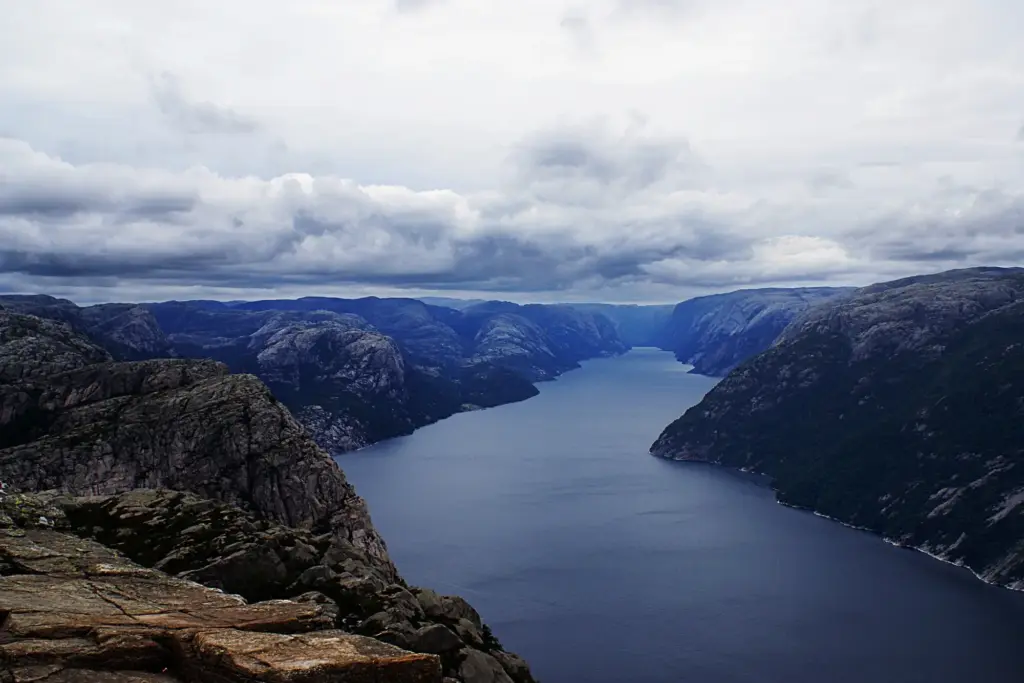

Stand still before composing and list, silently, what does not belong: tangled seaweed, busy footprints, chaotic cloud textures, stray people on the horizon. Shift your position, angle, or timing to erase each distraction. Use longer shutter speeds to smooth small ripples, or elevate the camera to hide messy foregrounds. Simplifying is not about emptiness; it is about intention, so the final frame holds only what truly sings.
Seek a single guiding line that carries the viewer without argument: the sweep of shoreline, a horizon intersecting the cliff edge, or a diagonal formed by receding surf. When that line is clear, supporting shapes should whisper rather than shout. Test variants by tilting slightly or stepping sideways. The right line reduces decisions for the viewer, turning looking into gliding, and gliding into a feeling they will remember.
Give your scene generous fields of softness, letting water and sky act as visual silence. Long exposures transform the ocean into misted porcelain, while overcast skies provide gentle gradients free from fussy highlights. Balance these quiet areas with a bright cliff so the eye has a place to rest. The emptiness is not void; it is a canvas where light writes, inviting slow attention and allowing color to breathe.
Different intervals tell different stories. Around one second preserves texture in the foam, two to four seconds smooth motion while honoring direction, and beyond eight seconds merges patterns into tranquil haze. Note wind strength and surf energy; adjust times so details on cliffs remain crisp while water loosens into brushstrokes. Bracket exposures methodically, then compare later. You will learn how each second feels, not just how it looks.
Stability is quiet in physical form. Spread tripod legs low, hang a weight if wind rises, and disable image stabilization when mounted. Use quality neutral density filters to prevent color casts that poison whites and sky gradients. Trigger the shutter with a remote or delay timer, and shield the camera from gusts with your body. Such small rituals protect edges, allowing delicate water textures and radiant cliffs to coexist without smearing.
Low tide can reveal unwanted rocks that clutter your frame, while mid to high tide often simplifies the foreground into elegant, reflective planes. Scout the coastline a day earlier, noting where surge lines clear seaweed. Use tide tables and swell forecasts, arriving early to watch patterns form. One evening, I waited through three sets until a perfect receding veil drew a silver V around the cliff, transforming confusion into calm geometry.
Side light sculpts facets and carves shadows; front light flattens but brightens color; backlight halos edges and invites delicate flare. Arrive early to map how sunlight walks the cliff. As the sun lowers, highlights mellow and textures soften. If direct sun feels harsh, wait for a thin cloud to diffuse it. The right angle converts ordinary stone into a glowing anchor that commands attention without overwhelming the tranquil water.
Warm ochres, rust, and honeyed limestone sing beside cool cyan surf. Use this natural complement, but avoid busy speckles or lichen patches that fracture the plane. A polarizer can tame glare on wet rock, deepening saturation without shouting. Keep your palette deliberate: two or three dominant hues, a gentle gradient in the water, and a measured highlight on the cliff. The eye relaxes when color choices feel purposeful and restrained.
You do not always need people or birds to convey size. One clean edge, sharply rendered against silked water, can suggest towering presence. Place that edge strategically—lower third for uplift, upper third for grounding. Let the ocean’s smoothness exaggerate solidity. In one session, a fingertip of cliff entering frame from the right created enough weight that viewers swore it was a massive headland, even without any familiar scale markers.
With an ultra-wide, minimize foreground clutter and keep horizons calm by tilting gently and anchoring with a bright cliff edge. With a telephoto, isolate color blocks: a slice of honeyed rock, a brush of foam, a cobalt gradient. Each focal length tells a different sentence in the same visual poem. Try both from one spot, then compare which better expresses quiet, clarity, and the particular character of that coastline.
Lowering the camera compresses the water into a larger field of tone, smoothing distractions and giving cliffs a dignified rise. Use a right-angle viewfinder or flip screen to compose comfortably near sand. Beware spray and protect your lens hood. This perspective often clears footstep clutter and reveals delicate reflections that echo cliff color. Subtle shifts of centimeters can decide whether the frame hums peacefully or feels awkwardly crowded.
From a distance, a medium telephoto condenses cliff, surf, and sky into harmonious bands. Seek parallel lines and gentle diagonals that read as organized geometry. Keep depth cues minimal yet legible: a crisp edge, a tonal step, a restrained shadow. The result feels contemplative rather than cramped. This approach shines when the sea is messy up close; distance converts chaos into rhythm, letting brightness and softness converse without interruption.

Limit yourself to a concise sequence: balance white point, open midtones where the cliff speaks, smooth highlight transitions in the water, and unify color temperature between sea and stone. Stopping early prevents over-processing halos and plastic textures. If you crave more, duplicate the file and push experiments separately. Compare tomorrow. The simpler edit almost always retains atmosphere, letting minimal composition, light, and patience do the memorable work.

Long exposure already smooths motion, so be cautious adding blur in software. Instead, reduce high-frequency noise selectively and refine highlight roll-off to maintain believable foam edges. Preserve a hint of texture near the cliff to anchor realism. View at multiple sizes, including phone scale, to ensure elegance survives downsizing. The water should feel like whispered porcelain, not melted wax, cradling the cliff rather than swallowing it.

Nudge the ocean slightly cooler and the cliff marginally warmer, then check neutrals so whites remain trustworthy. Use HSL with a light touch, targeting cyan shifts that can turn garish under heavy ND. Subtle split toning can separate highlights from shadows without shouting. Print tests reveal if saturation overwhelms calm. Aim for a palette that feels inevitable, as if the coast arranged itself precisely for your quiet frame.

All Rights Reserved.