Sculpting the Sea with Time around Limestone Arches
Today we dive into shutter speed experiments ranging from a crisp 1 second to meditative 4 minutes, using time to shape wave textures that wrap, whisper, and surge around dramatic limestone arches. Expect practical setups, field stories, creative prompts, and an invitation to try, compare, and share your results. Subscribe for upcoming field breakdowns, and tell us which timing sings at your coastline.

One-Second Pulses Near the Arch

Begin around one second to sketch energy and direction. Watch the backwash drag shells into streaks while fresh sets explode white against the span. Time the shutter with the receding wave, count breaths, and embrace imperfect edges; they communicate the ocean’s heartbeat better than immaculate glass.

Fifteen to Thirty Seconds: Velvet Surge
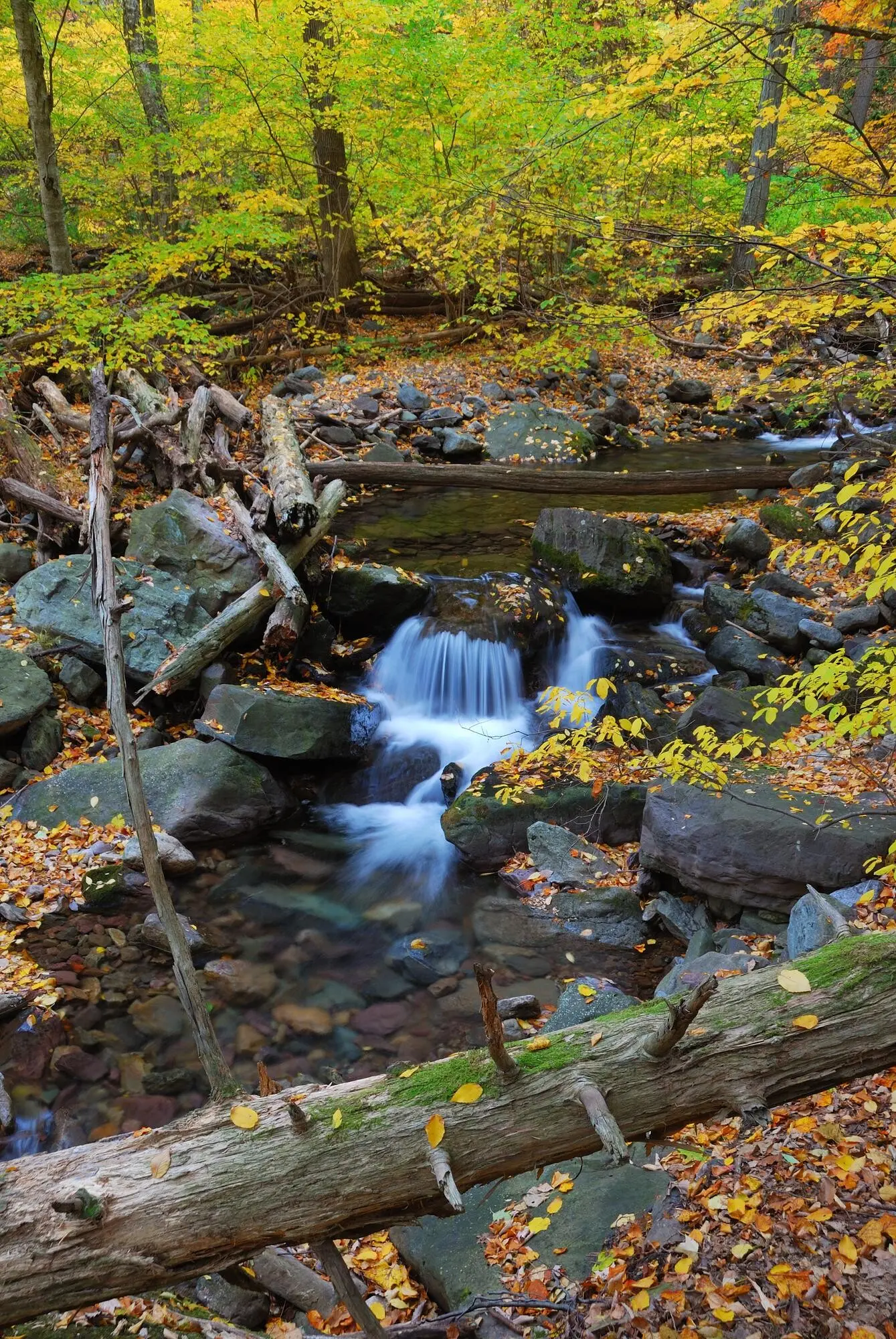
Stretch to fifteen or thirty seconds when you want foam to become velvet that still remembers its stride. The arch gains prominence as distractions melt, yet rhythm remains. Use a three to six stop filter, steady tripod legs in sand, and start exposures precisely as the wave turns.

Four Minutes of Breathing Silence

With ten stops of glass and patience, four minutes erase chatter and reveal tide geometry, clouds sketching soft vectors behind limestone. Lock focus, shield lens from spray, and note how returning foam becomes fog that frames the arch like memory. Small breeze shifts matter, so review, adjust, and repeat deliberately.

Neutral Density Stacks and Color Fidelity

Stacking filters multiplies control yet can bend color. Test each combination for casts, shoot a white card, and correct in post with custom profiles. Favor high-quality glass, avoid vignetting by stepping up filter size, and keep microfiber cloths handy because tiny salt crystals etch contrast during long coastal sessions.

Tripod Discipline in Salt and Wind

Extend thicker legs first, splay the stance wide, and bury feet deep for sand grip. Hang weight from the apex but stop swinging by tethering. After each shoot, rinse locks with fresh water, then dry and relube, because corrosion waits, and a drifting horizon ruins even perfect timing.

Remotes, Dark Frames, and Battery Strategy

Use a cable release or app to avoid shake, engage long exposure noise reduction when heat builds, and budget for dark-frame pauses that double wait times. Cold winds drain batteries; keep spares warm in inner pockets, label them clearly, and rotate methodically between attempts to maintain momentum.

Gear That Makes Patience Possible

Reliable tools liberate creativity when seconds stretch to minutes beside restless water. Neutral density filters keep highlights tame; a rigid tripod resists wind; a remote prevents tremor. Salt, grit, and spray threaten seals and threads, so preparation and cleaning rituals matter as much as settings if you want consistent, fearless long exposures.

Tides, Swell, and the Rhythm of Sets

The coastline is a living metronome. Tide height, swell period, and local bathymetry decide whether arches roar or whisper. Study charts, walk the bay before unpacking, and track safe retreat paths. Musical timing with the ocean yields frames that feel inevitable rather than accidental, confident rather than lucky.

Blue Hour Calm for Multi-Minute Dreams

As daylight fades, contrast softens and crowds leave. Two to four minutes transform choppy seas into breath, while chalk arches glow gently against deepening cobalt. Meter carefully, protect shadows from color shifts, and enjoy the meditative cadence as each frame emerges slowly, almost like a print developing in trays.

Golden Edges with Lively Seconds

When the sun brushes the horizon, highlights dance across wet limestone and breaking waves. Work between one and ten seconds to balance sparkle with flow, using graduated filters if needed. Position to catch rim light along the arch, and let shimmering streaks lead viewers toward that bright, noble curve.

Cloud Choreography and Wind Direction

Clouds stretched by long shutters become arrows and veils that echo the arch. Note wind aloft versus surface breeze; patterns often differ. Compose with cloud movement complementing water flow, so sky and sea tell the same sentence, delivered in slower syllables that amplify grace rather than conflict.

Compositions That Serve the Arch

Let water perform while stone anchors the story. Explore low vantage points for heroic spans, high perches for geometry, and mid-height frames that humanize scale. Use diagonals, negative space, and repeating textures to balance motion with permanence, giving viewers a pathway in and a reason to linger.

From Capture to Character in Post

The camera gathers possibilities; editing clarifies intention. Protect limestone detail while celebrating water’s grace, guiding eyes with contrast and color harmony. Blend different shutter lengths when necessary, but keep transitions believable. Finish with subtle noise control and print-ready sharpening that respects stone while letting the sea breathe like mist.

Balancing Stone Sharpness Against Water Softness

Use masks or luminosity ranges to isolate the arch, sharpening edges just enough to honor texture without crunch. Resist adding structure to water; let blur sing. If halos creep along the skyline, step back, refine selections, and reblend until the union feels effortless and true.

Color Harmony Between Sea, Sky, and Chalk

Balance teal and cobalt against warm limestone by nudging temperature locally rather than globally. Target the arch with gentle warmth, subdue greens in shadowed water, and keep clouds neutral so time feels believable. Subtlety preserves mood; restraint lets the exposure duration, not saturation, carry the emotional narrative.

Blending Short and Long Exposures Gracefully

Sometimes one frame cannot say everything. Merge a brief capture for wave streak detail with a multi-minute sky to preserve intent, aligning with careful warps. Feather masks along midtones, match grain, and check edges at 200 percent so the seam disappears and the story remains seamless.
Daxiravolentopiranaritari
Privacy Overview

This website uses cookies so that we can provide you with the best user experience possible. Cookie information is stored in your browser and performs functions such as recognising you when you return to our website and helping our team to understand which sections of the website you find most interesting and useful.