
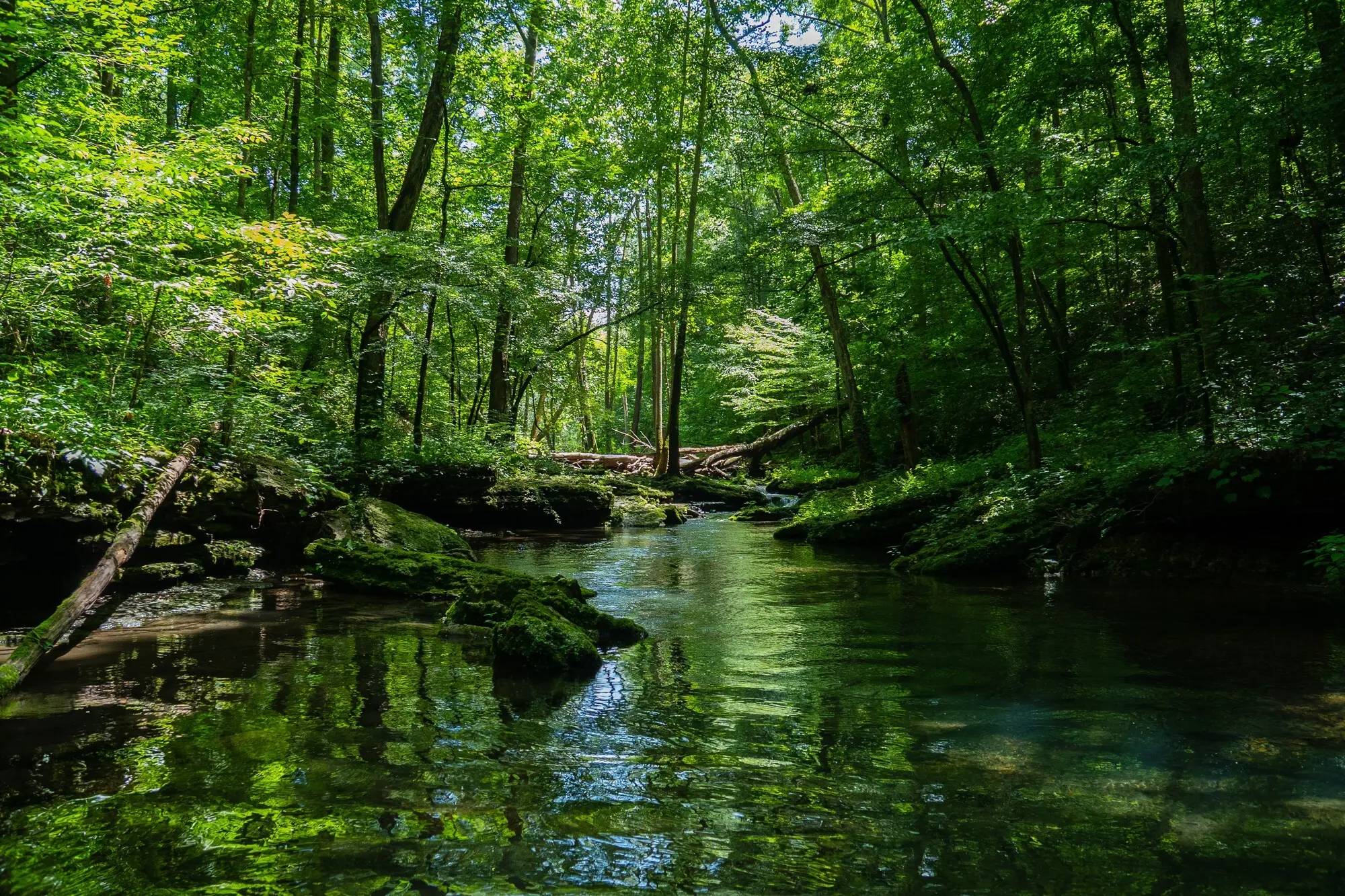
White Cliffs, Silk Seas: A Practical Editing Journey
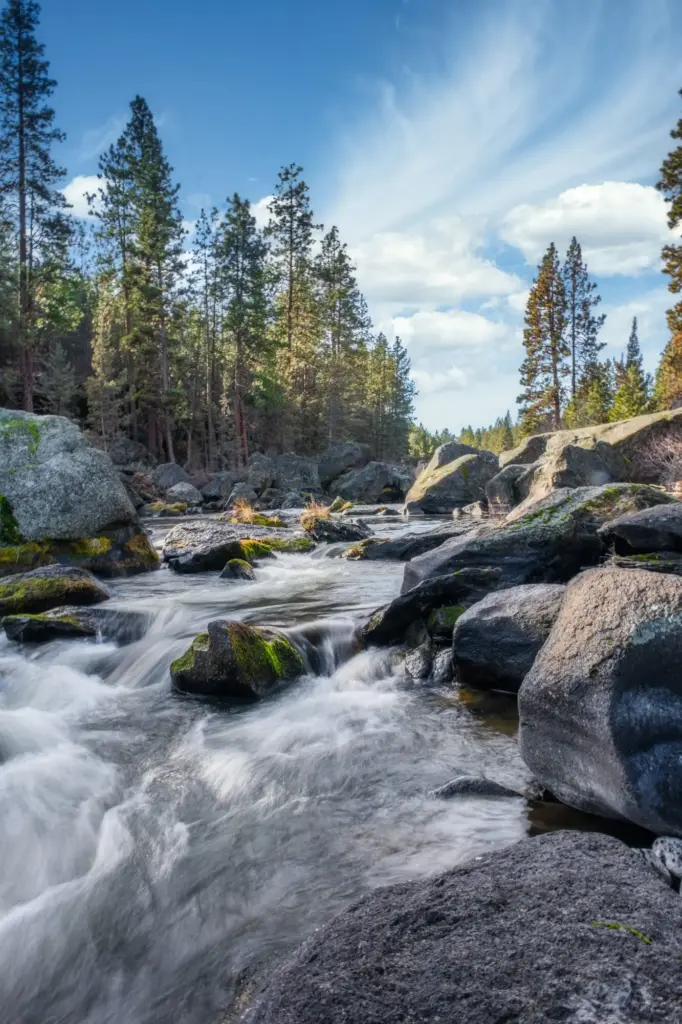
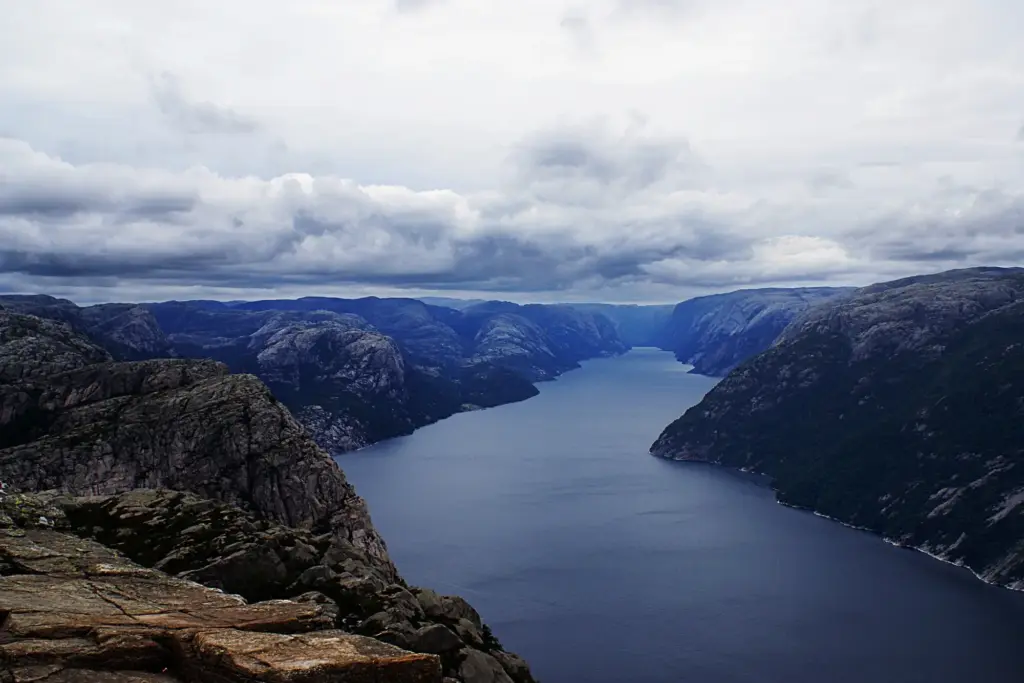
Field to File: Capturing for Flexibility
Taming Dynamic Range Without Crushing Whites
Texture vs Clarity vs Dehaze
Frequency Separation for Rock Faces
Handmade Light: Subtle Dodge and Burn
Frame Averaging and Smart Alignments
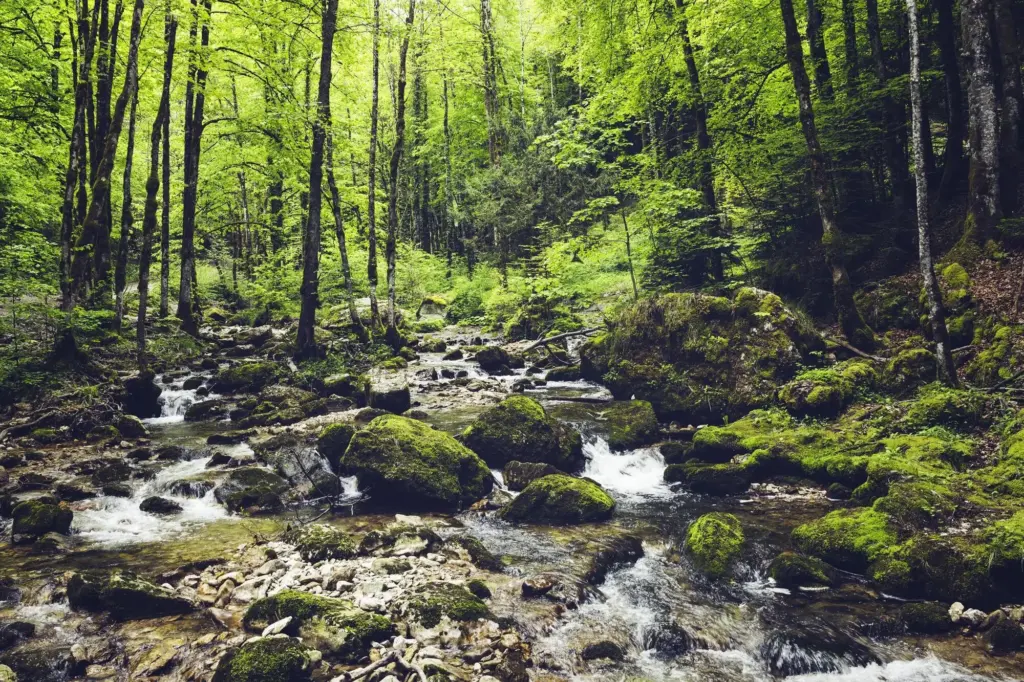
Capture a burst at shorter shutter speeds, align the sequence, and median-stack to melt choppy texture while keeping the cliff rock-solid. Trim frames where waves break disastrously on edges. Subtle blurring across time feels truer than one heavy filter that flattens every ripple equally.
Selective Blur, Protected Edges
Use masks to confine motion effects below the horizon and away from chalk contours. Combine Directional Blur at low strength with a gentle Surface Blur for foam, building softness in layers. Feather thoughtfully so transitions dissolve, never forming halos against the hard, sunlit limestone boundaries.
Let Movement Tell a Story
Study how tide pulls diagonally or returns in mirrored sheets. Echo that narrative with blur direction and gradient masks, keeping tonality believable. A whisper of texture in the nearest water anchors scale, helping the serene surface feel expansive rather than unnaturally gelled or overprocessed.
Edge-Aware Painting and Feather Discipline
Match Micro-Contrast Across the Horizon
Color and Light Consistency Checks
Color, Atmosphere, and Honest Mood
Neutral Whites Without Killing Soul
Sample from shaded chalk and set a baseline, then allow tiny shifts where sunlight actually warms the surface. If a global correction feels surgical, try a gentle split grade that keeps whites believable while letting the sea drift cooler, enhancing separation without theatrical exaggeration or plastic sheen.
Haze, Spray, and the Air Between Things
Salt mist softens contrast with poetry. Instead of erasing it, shape it with local Dehaze gradients that respect distance. Add micro-contrast only where forms need articulation. The result feels breathable and dimensional, helping cliffs remain solid while water and sky whisper rather than shout.
Final Sharpening That Honors Stone
Sharpen selectively on the cliff using masks tied to high frequencies, avoiding the water entirely. Choose modest radius to accentuate granular chalk, then output-sharpen according to medium. Paper swallows micro-contrast, so a touch more is welcome, while screens prefer restraint to prevent crunchy, glittering edges.

All Rights Reserved.