

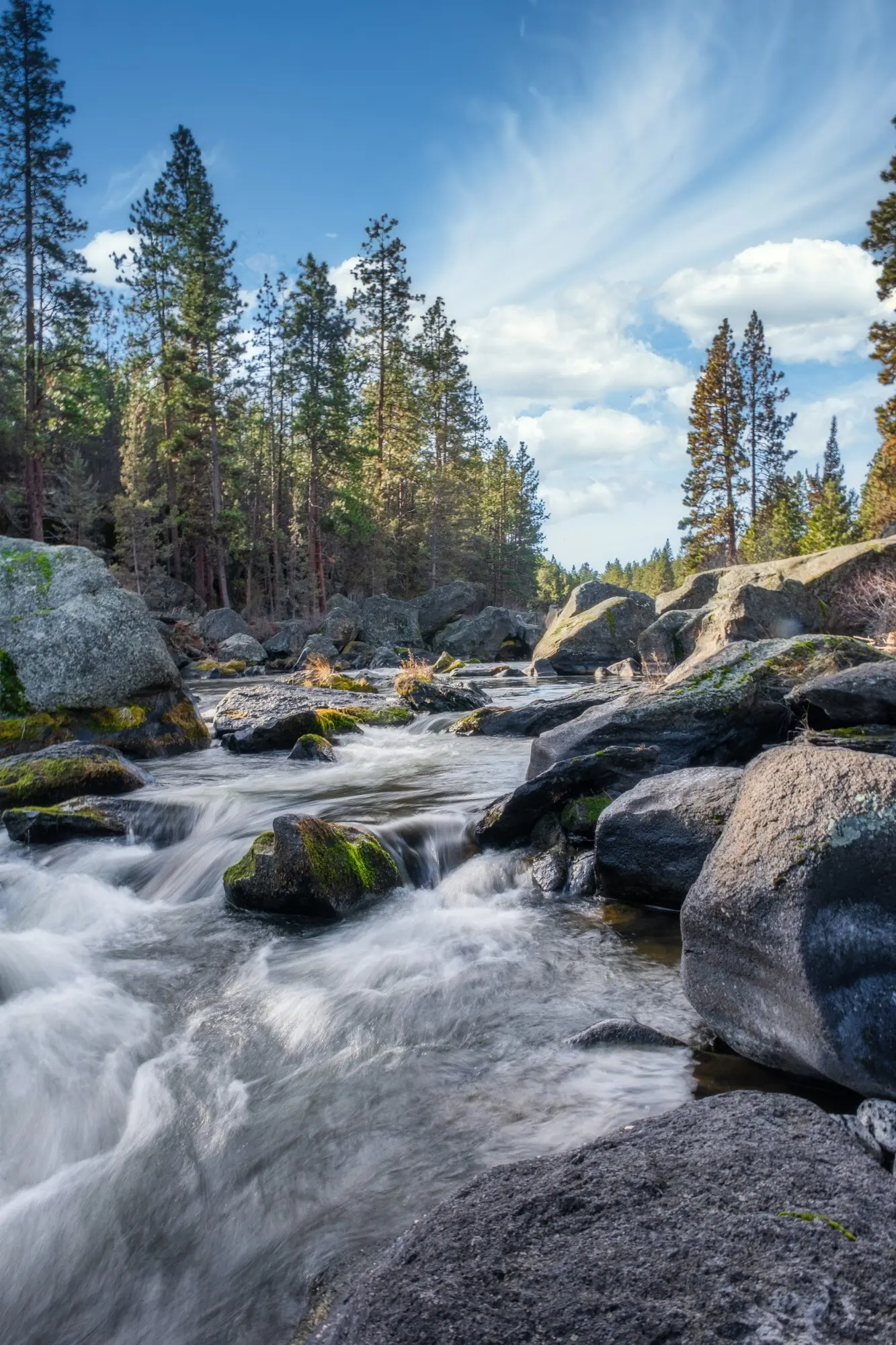

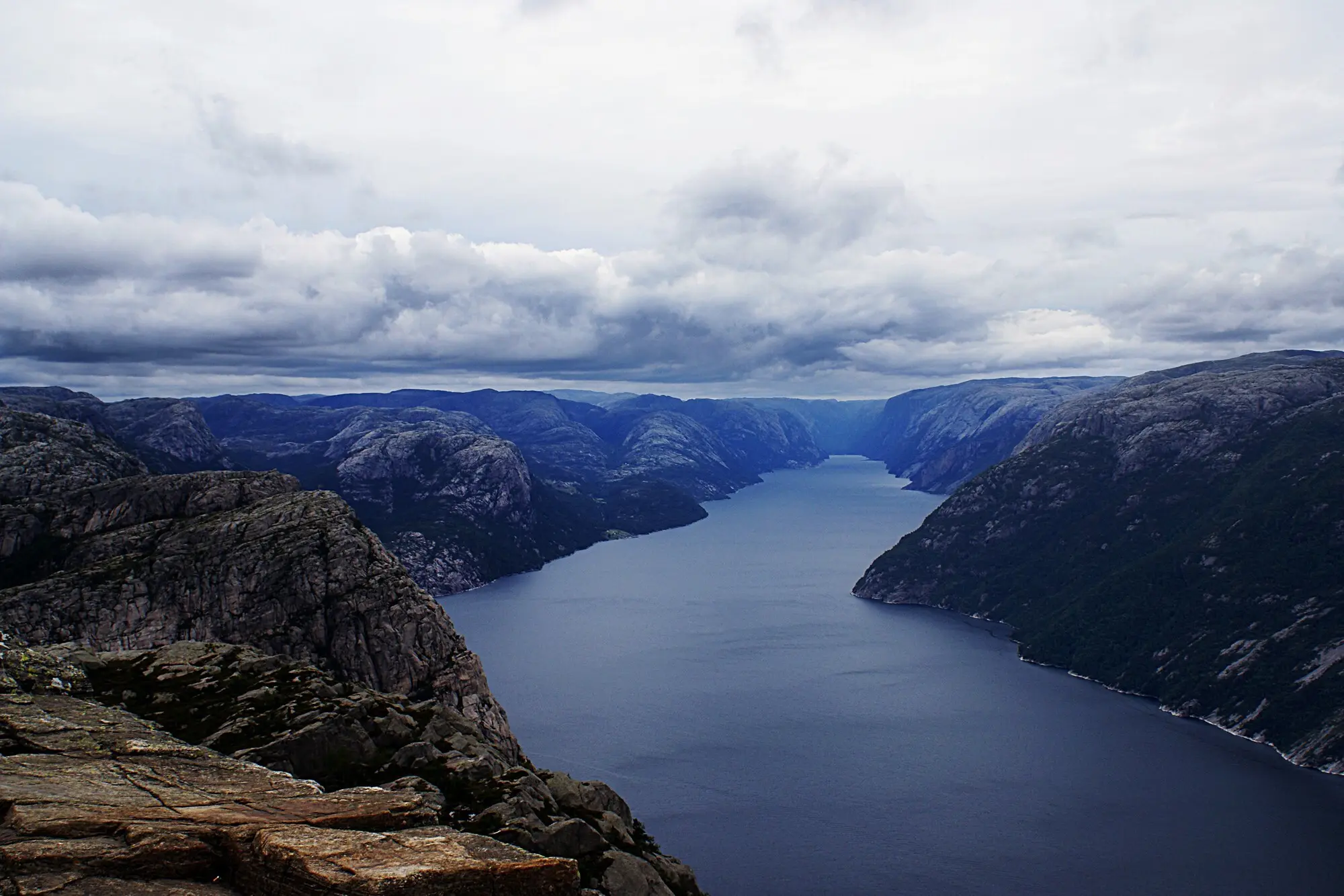
Timing the Ocean for Safer Long Exposures on Rugged Cliffs

Master tide charts, swell forecasts, and shifting weather to capture long-exposure seascapes from cliff-lined coasts without courting danger. We focus on tide windows, swell height and period, wind direction, access timing, and safety habits that let silky water, cloud motion, and rugged rock converge beautifully. In short, this page focuses on tide, swell, and weather planning for safe long-exposure photography along cliff-lined coasts, so every frame and decision respects the ocean while elevating your craft.

Reading Water: Tides, Swell, and Set Rhythm

Before packing filters, decode how tide range, tide stage, and local offsets combine with swell height, period, and direction. Understanding set rhythm and lulls dictates where you can stand, when water reaches ledges, and how your chosen exposure length sculpts movement safely and artistically.

Tidal cycles and local anomalies

Study spring versus neap ranges, know whether your coastline runs semidiurnal or mixed, and check local time corrections on your tide table. Cliffs funnel backwash and raise effective water levels during sets, so a 'safe' mid-tide can flood unexpectedly. Speak with anglers or rangers about notorious surges and slippery platforms.

Swell height, period, and direction

Treat height and period as a pair: long-period swells carry deep energy that refracts around headlands, stacks into larger sets, and runs farther up ledges. Direction relative to your cliff walls decides surge angles and spray. Log patterns between forecast numbers and real footprints before risking closer positions.

Safety and Access on Sheer Shores

Beautiful frames mean little if your exit disappears. Plan approach and retreat around tide curves, gate hours, and daylight. Prioritize high vantage points, redundant routes, and buddy systems. Wet algae, collapsing edges, and spray-slick steps demand patience, non-slip soles, and a mindset that treats every lull as provisional.

Long-Exposure Technique When Weather Moves

Shifting clouds and pulsing swells are collaborators, not enemies. Match shutter length to texture goals while anticipating gusts, spray, and light swings. A stable platform, thoughtful filter choices, and cadence-aware timing let you abstract chaos into gentle ribbons without sacrificing sharp rock or personal safety.

Choosing and stacking neutral-density filters

Carry a balanced set—three, six, ten, and fifteen stops—to adapt quickly as clouds thin or thicken. Stacking works if you shade for flare, recalibrate white balance, and clean diligently. Remember that longer is not always better; sometimes one to three seconds preserves shape and grace.

Tripod stability and wind management

Extend thicker leg sections first, use a rock-solid spread, and add weight low rather than hanging a swinging bag. Shield the camera with your body, enable electronic shutter or delay, and disable stabilization on a locked-down platform. Sharp edges deserve immovable support, even beneath impatient skies.

Forecast Tools and a Repeatable Planning Workflow

Blend multiple sources—tidal agency tables, harbor notices, surf forecasts, and wind models—to avoid single-point failure. Compare NOAA or national equivalents with Windy or MeteoBlue layers, then ground-truth at the coast. Build a written plan, margins included, so art decisions ride atop solid, conservative environmental understanding.
Models often underrepresent local amplification near headlands or reef shelves. Note differences between forecasted height and observed run-up in a small notebook, including tide stage and set consistency. Over time, these corrections become your edge, sharpening both composition choices and conservative safety buffers.
Plot arrival, observation, setup, and exit times against the curve of the tide, sunrise, and civil twilight. Add alarms for final safe turnaround, rising surge thresholds, and closing car park gates. Treat the timeline as non-negotiable, because creative flow tempts dangerous schedule amnesia.

Light, Composition, and Spray Along Cliffs

Cliff architecture channels both wind and light, shaping contrast, flare, and salt crystals on glass. Compose from safer elevations that still connect foreground textures with distant walls. Plan golden, blue, or storm light alongside swell orientation, letting motion lines emphasize geology while spray never overwhelms your lens.

Telephoto safety vantage points

A longer lens lets you compress stacked cliffs and surf patterns from firm, dry ground above the action. Pair fast shutter tests for alignment with final long exposures, minimizing time near edges. Safety grows while compositions gain rhythm, layering, and clean separation from airborne mist.
Wide perspectives without the soak

Wide glass near spray is risky, yet achievable from protected alcoves or benches above channels. Use a rain cover, rear filters where possible, and a dedicated cloth rotation. Time exposures immediately after the biggest set to maximize clarity during the briefest, sweetest breathing space.

Sun, moon, and tide alignments

Calculate azimuth, elevation, and tide stage together, because an inviting ledge at low water might vanish when the moonlight finally hits. Apps help, but practice grounds truth. When alignment, swell angle, and safety overlap, the resulting motion lines and glow reward every cautious decision you made.

Field Story, Checklist, and Community

On a winter morning, a predicted six-foot swell with sixteen seconds wrapped harder than charts suggested. Because we scouted exit shelves and set a strict turnaround, we kept dry and left with graceful streaks. Use the checklist below, then share your own lessons so others leave safe, inspired, and subscribed.
Daxiravolentopiranaritari
Privacy Overview

This website uses cookies so that we can provide you with the best user experience possible. Cookie information is stored in your browser and performs functions such as recognising you when you return to our website and helping our team to understand which sections of the website you find most interesting and useful.